Gold Vape Flavours Guide: How to Choose the Right Flavor for You
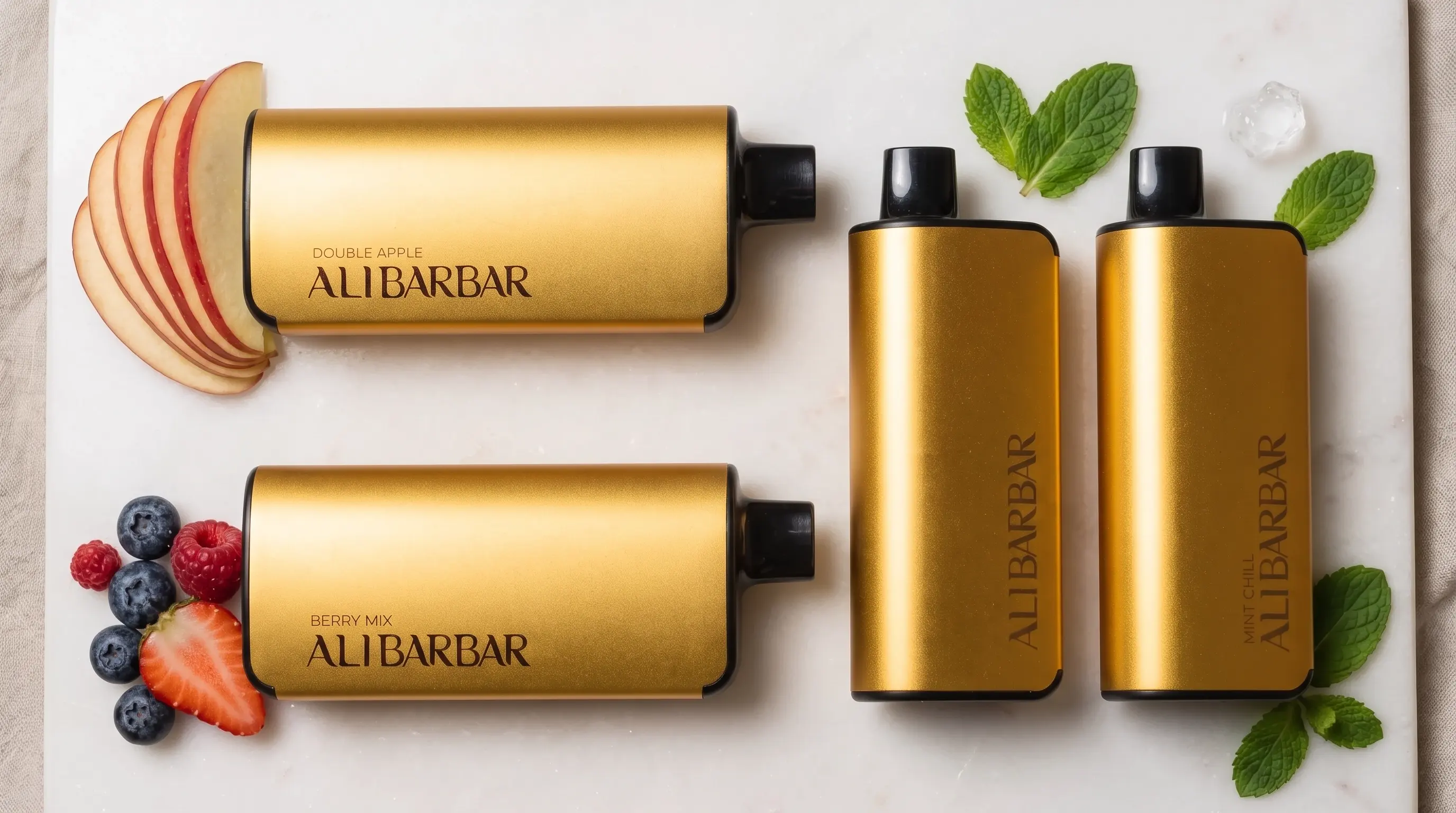
Explore popular Gold Vape flavor profiles, including fruit, ice, mint, beverage, and dessert-inspired options. Understand flavor descriptions and what to look for when comparing products.
Flavor is one of the first things people notice when comparing Gold Vape products. Two devices may have similar designs and specifications, yet feature completely different flavor profiles.
Some flavors are built around familiar fruits, while others take inspiration from cold beverages, mint, or desserts. Understanding these differences makes it easier to interpret product descriptions and compare available options.
But what should you actually look for when exploring Gold Vape flavours?
The answer goes beyond choosing a name that sounds appealing. It involves understanding the main flavor category, the balance of different notes, and how the product is designed as a complete device.
This guide explores the most common flavor profiles and explains the language used to describe them.
1. What Are the Main Gold Vape Flavor Categories?
Gold Vape flavors generally fall into five broad categories: fruit, fruit and ice, mint, beverage-inspired, and dessert-inspired.
Each category communicates a different flavor direction.
Fruit profiles focus on recognizable fruit notes. Fruit-and-ice combinations introduce a cooling characteristic. Mint flavors emphasize freshness, while beverage and dessert-inspired profiles take their references from familiar drinks and sweet foods.
These categories are useful starting points, although individual products may combine several flavor directions.
Understanding the basic differences can help you make more informed comparisons instead of relying on flavor names alone.
2. Fruit Flavours: Familiar and Versatile
Fruit-inspired flavors are among the most recognizable options in the vape market.
Common descriptions include watermelon, mango, strawberry, grape, peach, and mixed berries. These familiar references give readers an immediate idea of the flavor direction.
However, fruit profiles can differ considerably.
Some are described as light and crisp, while others emphasize a sweeter or richer character. A watermelon-inspired profile, for example, may be presented as light and refreshing, whereas mango-inspired descriptions often focus on a fuller tropical character.
Mixed-fruit profiles introduce several notes instead of concentrating on one fruit. Their overall character depends on which notes are emphasized and how they are combined.
When comparing fruit flavours, look beyond the fruit name. Pay attention to whether the description highlights sweetness, freshness, or a more complex combination of notes.
A clear description is more useful than a long list of fruit names without any explanation.
3. Fruit + Ice: Understanding Cooling Profiles
Fruit-and-ice flavors combine a fruit-inspired character with a cooling sensation.
You may see terms such as ice, frozen, cool, or chilled in product descriptions. These words generally indicate that the flavor profile includes a cooling element.
The distinction becomes clearer when comparing two products based on the same fruit.
A fruit-only profile focuses on the fruit reference itself. A fruit-and-ice version adds another dimension through its cooling character.
Some descriptions place more emphasis on the fruit, while others highlight the cooling element. The balance depends on the product's intended flavor profile.
It is also worth remembering that terms such as "ice" and "frozen" describe flavor characteristics. They do not necessarily mean that a product contains actual ice or is physically cold.
4. Mint Flavours: A Distinct Type of Freshness
Mint-inspired flavors are another recognizable category.
Unlike fruit profiles, which are built around specific fruit references, mint flavors generally emphasize a fresh, herbal, or cooling character.
Some descriptions focus on a straightforward mint identity. Others combine mint with fruit or beverage-inspired notes to create a more layered profile.
So, are mint and ice flavors the same?
Not exactly. Mint is a flavor reference, while ice usually describes a cooling characteristic. They can appear together, but they are not interchangeable.
A mint-inspired profile does not automatically have the same character as a fruit-and-ice combination. Understanding this distinction makes product descriptions easier to interpret.
5. Beverage-Inspired Flavours: Beyond Individual Ingredients
Beverage-inspired flavors take their references from familiar drinks rather than individual ingredients.
Examples in the broader flavor market include lemonade, cola, and other drink-inspired profiles.
These combinations may bring together several flavor references. A lemonade-inspired description, for instance, may emphasize citrus notes and a sweet-and-tart character.
The main difference is that the flavor identity is based on a beverage concept rather than a single fruit.
However, a beverage-inspired name should not be treated as an ingredient list. It describes the intended flavor direction, not necessarily the physical composition of the product.
When comparing these profiles, look for descriptions that explain the individual notes instead of relying entirely on the drink name.
6. Dessert-Inspired Flavours: Rich and Sweet Profiles
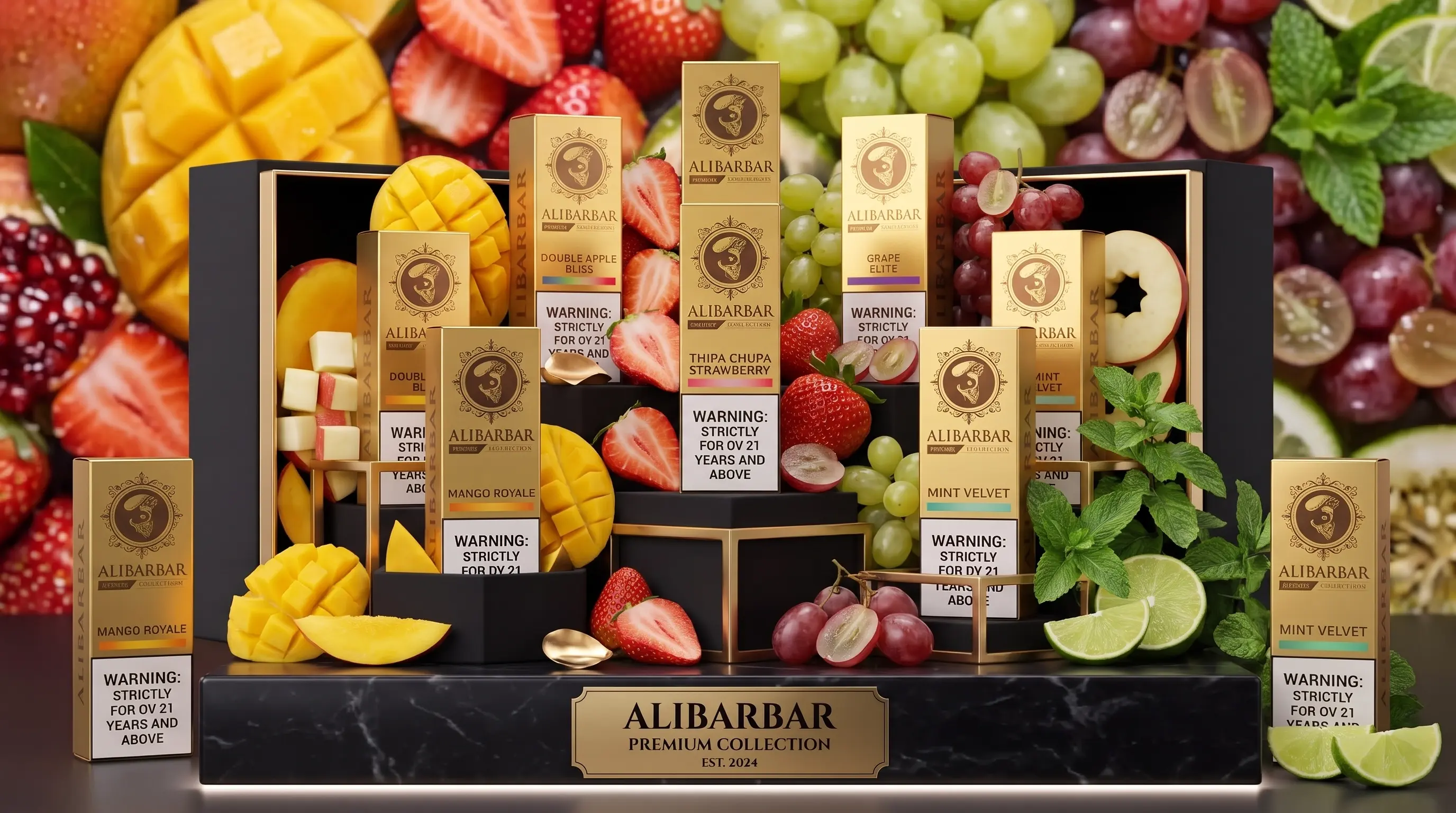
Dessert-inspired flavors take a different direction from fruit and mint categories.
They often reference familiar sweet foods, confectionery, creamy notes, or bakery-style concepts. Vanilla, custard, candy, and cake-inspired descriptions are common examples in the wider flavor market.
These terms communicate a particular flavor direction, but they do not guarantee that different products will have identical characteristics.
For example, "creamy" generally suggests a richer flavor impression, while "candy-inspired" points toward a confectionery-style profile.
As with other categories, it is best to read the complete product description rather than making assumptions based on one familiar word.
7. How to Understand Flavor Descriptions
Flavor names tell only part of the story. Descriptive words provide additional context.
A few terms appear frequently in product descriptions:
- Sweet: Indicates a sweeter flavor direction.
- Fresh: Suggests a light or refreshing flavor impression.
- Fruity: Refers to a profile based on fruit-inspired notes.
- Cooling: Describes an icy or cooling characteristic.
- Creamy: Suggests a richer, smoother flavor direction.
These are descriptive terms, not standardized measurements. Different manufacturers may use them in different ways.
A fruity profile may also be sweet. A cooling profile may include mint or fruit. A beverage-inspired flavor may combine several characteristics.
For this reason, reading the complete description is more helpful than judging a product by one adjective.
8. How Device Design Relates to Flavor Consistency
Flavor descriptions explain what a product is intended to represent. Device engineering can also influence how consistently the overall experience is delivered.
Several design elements are relevant when evaluating a disposable vape.
Heating technology
The heating element is responsible for vaporizing the e-liquid. Mesh coil technology is commonly used in modern disposable vape designs, but the presence of a mesh coil alone does not guarantee a particular flavor experience.
Overall performance depends on the complete heating system and the way the device is engineered.
Airflow design
Airflow determines how air moves through the device during operation. Different airflow designs can influence draw characteristics and the overall experience.
However, airflow is only one part of the system. It should be considered alongside heating technology and device construction.
Overall consistency
A product should be evaluated as a complete device rather than through one specification. Heating, airflow, power management, and construction all contribute to its overall design.
This is one reason why flavor names and technical specifications should be considered together when comparing products.
9. How to Compare Gold Vape Flavours More Carefully
Product descriptions can sometimes make similar flavors sound very different. Marketing language may also use several adjectives without clearly explaining the actual flavor direction.
A simple approach can make comparisons easier.
First, identify the main flavor reference. Is it fruit, mint, a beverage, or a dessert-inspired concept?
Next, look for secondary notes. Does the description mention additional fruit, sweetness, or cooling characteristics?
Finally, consider the overall direction. Is the profile described as light, rich, sweet, fresh, or cooling?
You should also check the official product information, including specifications and relevant safety details. A flavor name does not provide a complete picture of a product's ingredients or characteristics.
Clear product information is more valuable than exaggerated descriptions.
10. Alibarbar and the Gold Vape Experience
For a premium Gold Vape brand, product identity involves more than appearance or a long list of flavor names.
Alibarbar's design direction emphasizes the relationship between exterior styling and the engineering behind it. Its black-and-gold visual language creates a distinctive identity, while its broader design philosophy focuses on integrating technical elements into the overall device.
This approach can be described as Invisible Engineering: technology should support the product experience without constantly demanding attention.
Products such as Alibarbar Swirl 50K, Alibarbar Pandora 7000, Alibarbar Hookah Onyx, and Alibarbar Ingot 9000 represent different product formats within the brand's range.
When exploring these products, readers should consider flavor descriptions alongside the specifications and official information for each model. Specific flavor availability may vary by product and market.
The aim is not to suggest that one flavor category is universally better than another. It is to make the differences easier to understand so that product information is clearer and more useful.
11. Frequently Asked Questions About Gold Vape Flavours
What are the most common Gold Vape flavor categories?
Common categories include fruit, fruit and ice, mint, beverage-inspired, and dessert-inspired profiles. Individual product ranges may offer different combinations.
What is the difference between fruit and fruit-and-ice flavors?
Fruit flavors focus on fruit-inspired notes, while fruit-and-ice profiles combine fruit references with a cooling characteristic.
Are mint and ice flavors the same?
No. Mint refers to a flavor direction, while ice generally describes a cooling characteristic. A product may include one or both.
What does a beverage-inspired flavor mean?
It describes a flavor concept based on a recognizable drink, such as lemonade or cola. The name does not necessarily indicate that the actual beverage is an ingredient.
Why can two products with the same flavor name be different?
Manufacturers may use different formulations, flavor combinations, and descriptive conventions. A shared flavor name does not guarantee an identical profile.
Does mesh coil technology determine flavor?
No. Mesh coil design is one part of a device's heating system. Overall performance also depends on airflow, power management, construction, and other design factors.
Conclusion: Look Beyond the Flavor Name
Understanding Gold Vape flavours starts with understanding the language used to describe them.
Fruit, fruit-and-ice, mint, beverage-inspired, and dessert-inspired profiles each represent different flavor directions. Words such as sweet, fresh, and cooling provide additional context, but they are not standardized measurements.
The same principle applies when comparing products. Flavor names are useful starting points, but they should not replace a closer look at device design, specifications, and official product information.
For anyone researching the Gold Vape category, a more informed approach means looking beyond attractive names and understanding what each description actually communicates.
Clearer flavor information leads to clearer product comparisons.